Sustainable construction is not limited to adding solar panels or planting trees around a completed project. It is an approach to planning, designing, building and operating infrastructure while considering resource use, environmental impacts, resilience and the needs of surrounding communities. Roads, buildings, drainage networks and industrial facilities use materials, energy, water, transport and land. Decisions made during planning can influence these impacts long after construction teams leave the site. For public infrastructure, sustainability measures should be technically appropriate, measurable and consistent with contracts and applicable approvals.
A useful sustainability plan starts with the project’s location, scope, climate, nearby communities, water conditions, material sources, waste streams and environmental requirements. A road in a water-stressed area has different priorities from a public building in a dense city. Identify significant impacts and set realistic goals, such as reducing waste, preventing sediment runoff or improving water use. Goals should be measurable and assigned to responsible people.
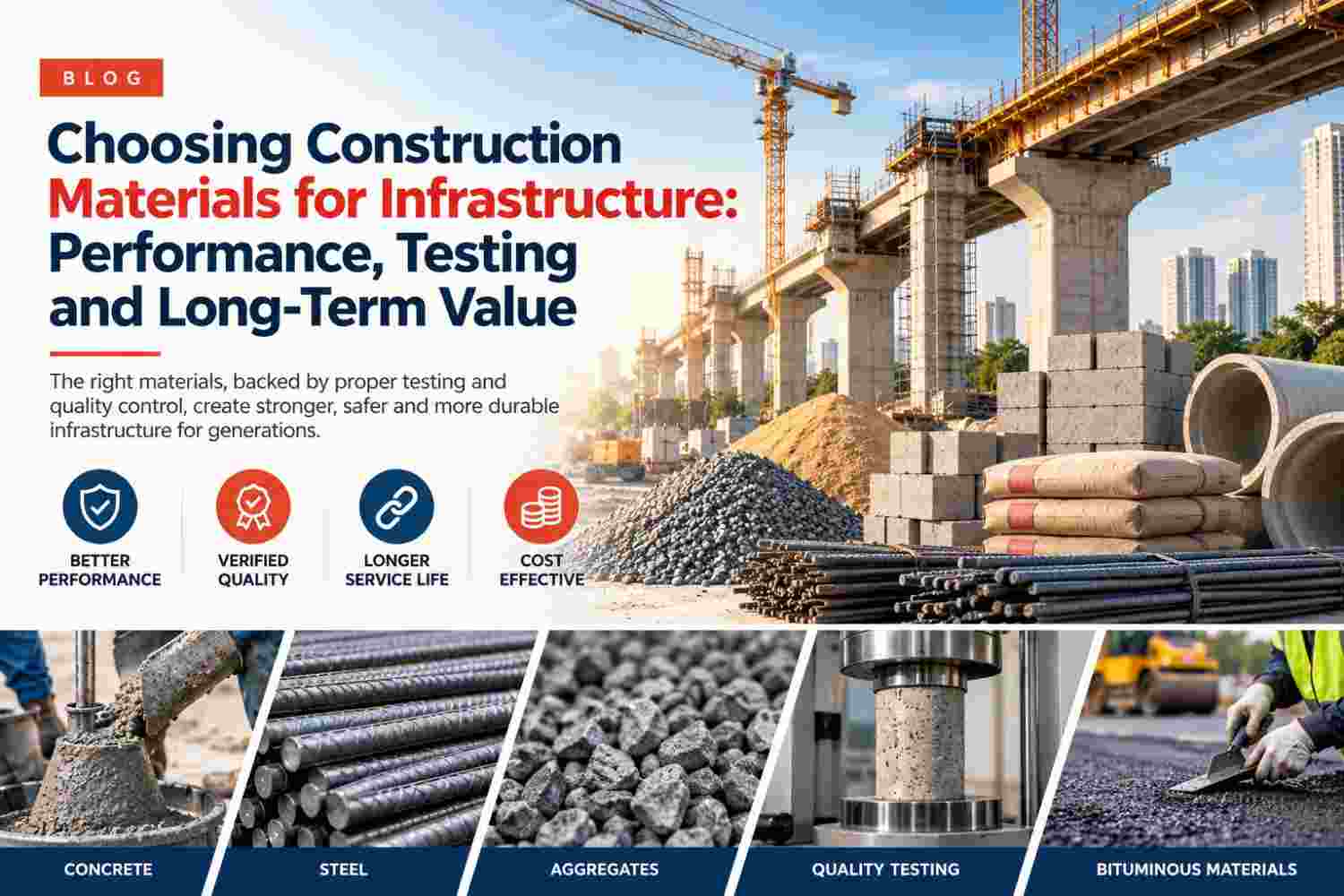
Accurate quantities, coordinated drawings, storage planning and protection from damage can reduce waste. Reuse of excavated soil or construction materials may be possible when engineering properties, contamination checks, specifications and approvals permit it. Alternative materials should not be adopted simply because they sound sustainable; suitability, testing, durability and compliance must be demonstrated. Keep records of material use, waste and authorised disposal.
Construction uses water for batching, dust suppression, curing and cleaning. Controls include fixing leaks, planning water-intensive work and capturing suitable runoff where permitted. Sediment barriers, protected stockpiles and temporary drains can reduce soil entering nearby waterways. Reuse requires attention to water quality and intended use; contaminated water must be handled under applicable rules.
Fuel and electricity are consumed by machinery, generators, transport, lighting and temporary facilities. Equipment maintenance, efficient logistics, avoiding unnecessary idling and planning deliveries can reduce consumption. Low-carbon materials or alternative methods should be evaluated using credible product data and project-specific performance requirements. Environmental claims should be supported by documented comparisons.
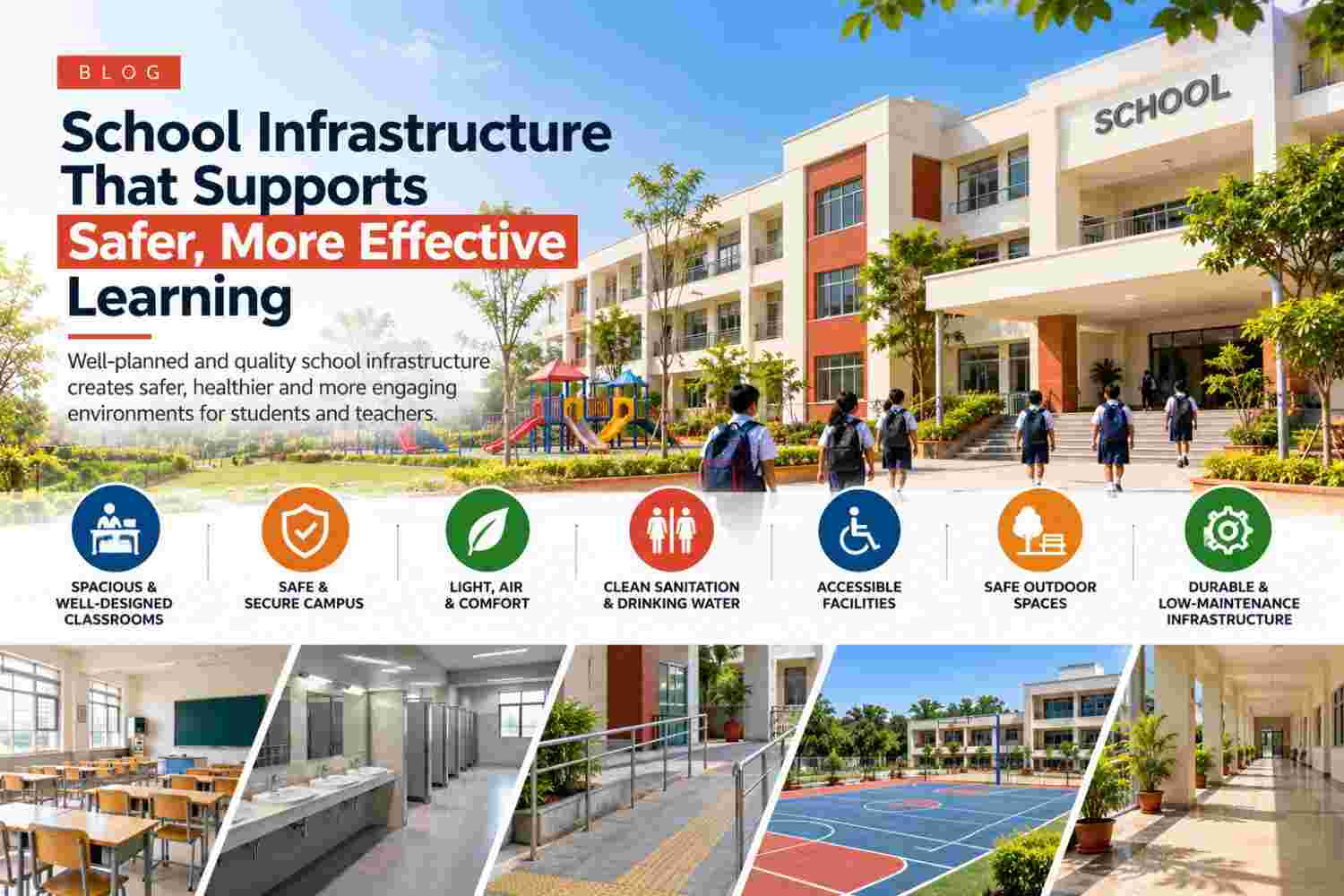
Dust, noise, vibration, vehicle movement and night work can affect nearby communities. Site plans should define working hours, access routes, barriers, dust controls, waste handling, complaint channels and emergency procedures in line with approvals and project requirements. Workers need suitable training, protective equipment and safe welfare facilities. Communication matters when access or services will be disrupted.
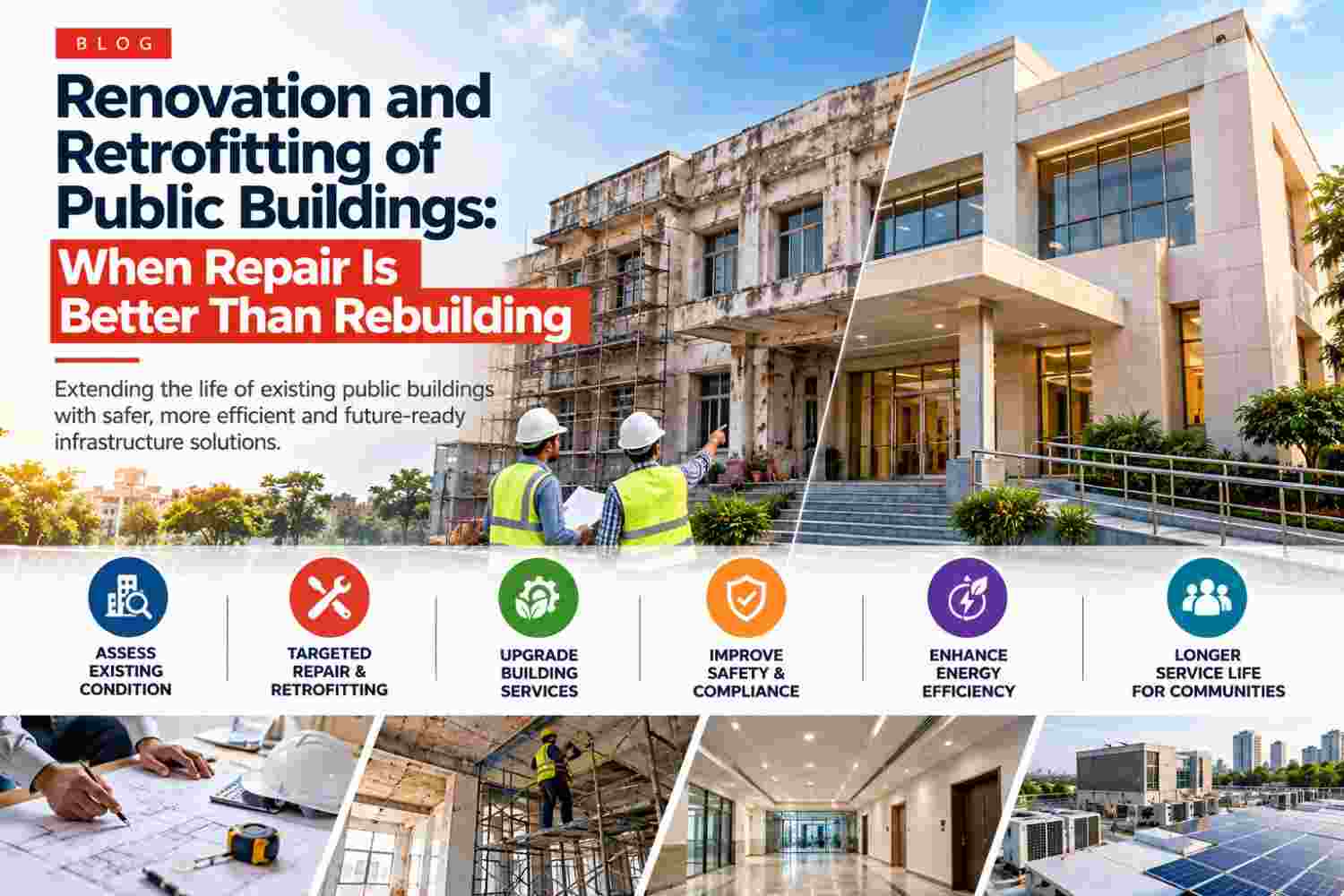
Premature failure requires new materials, transport, labour and disruption. Durability is therefore part of sustainability. Consider exposure, drainage, maintenance access, repairability and expected service conditions. Building systems should be commissioned and accompanied by operating guidance; road and drainage assets need inspection and timely maintenance.
A sustainability register can track energy and water use, waste, reuse, incidents, complaints and corrective actions. Metrics should match the project and be supported by records. Avoid unsupported claims such as “zero impact” or quantified carbon savings without a defensible calculation. Certifications and approvals should only be described accurately after they are obtained.
Sustainable infrastructure comes from connected decisions about planning, materials, water, waste, safe sites, durable design and operation. The appropriate measures vary by project and must be checked against engineering requirements and local conditions. A practical, evidence-based approach is more credible than broad environmental slogans.
Planning a construction or infrastructure project? Explore NK Group’s relevant services and project portfolio, or contact the team to discuss your requirements. Any enquiry should be assessed against the company’s actual capabilities, experience and availability.